


The Case for Variation: What Specifiers Get Right (and Others Miss)
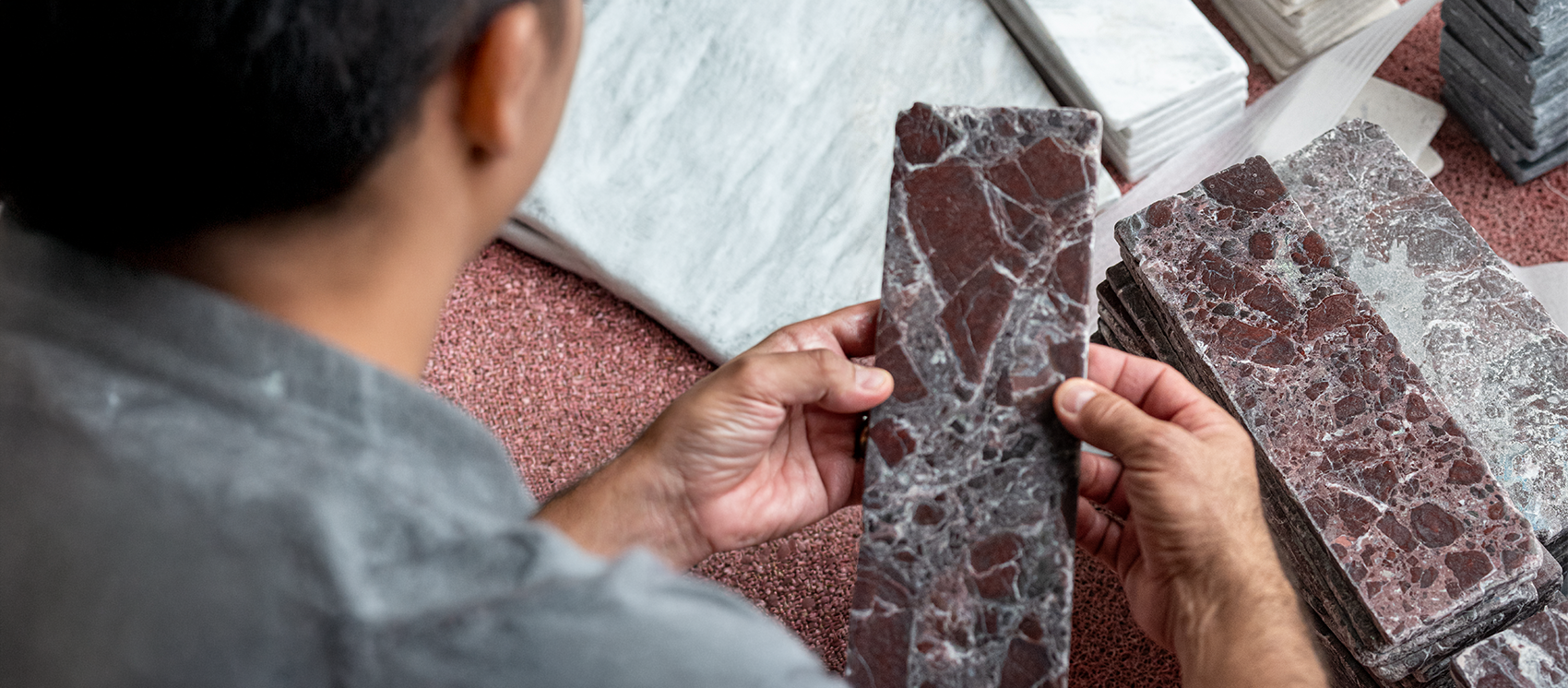
Variation isn’t something to manage around. It’s something to design with.
Because the question isn’t whether variation exists. It’s how much of it you want to see and how you choose to use it.
Across both porcelain tiles and natural stone, variation shows up differently and it’s never accidental.
In natural stone, it’s inherent.
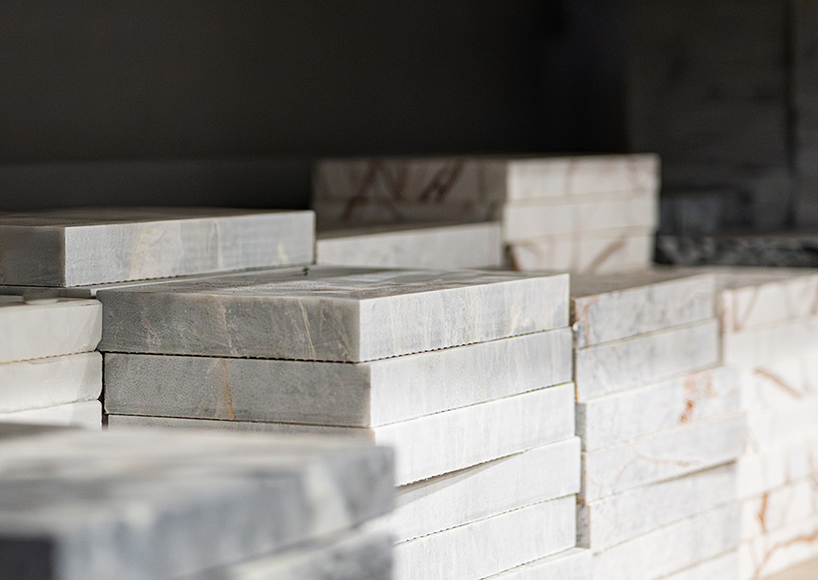
Each slab is cut from the same block, yet reveals a different look within it, whether that be shifts in tone, veining, density, movement. No repetition, no exact match. Just material in its most honest form.
In porcelain, variation is intentional.
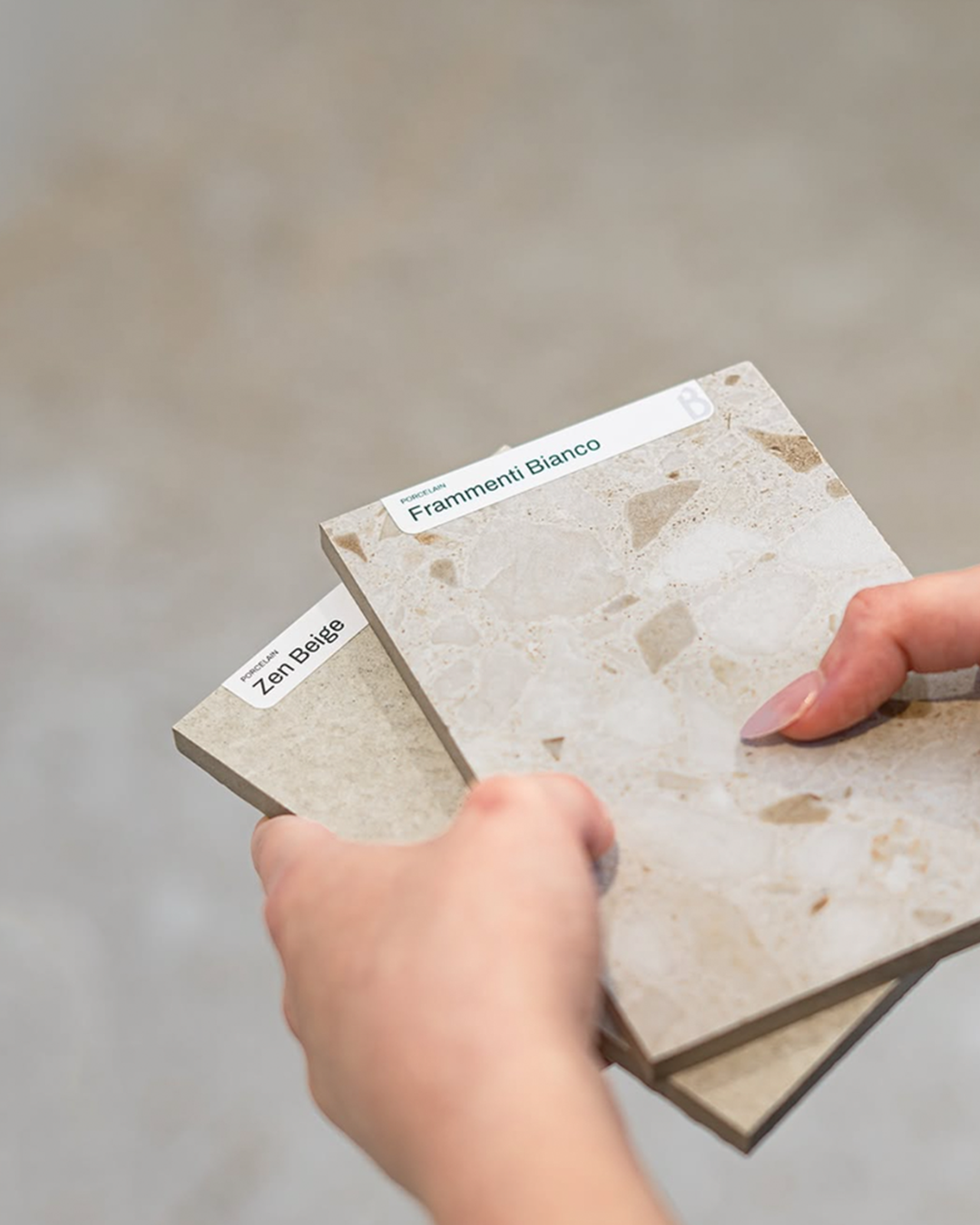
Advanced production allows for controlled differences from tile to tile, which are designed to replicate the depth, movement and unpredictability of natural materials, or to create a more uniform, consistent finish when required.
Two materials. One shared principle: variation defines the outcome.
That’s why we grade variation in our tile across V0–V5 — from minimal, near-uniform surfaces to highly expressive, high-movement finishes. One that allows architects and designers to specify with clarity, aligning material behaviour with design intent.
The most considered spaces don’t fight variation or try to dilute it. They understand it. They place it. They let it move through a project with purpose.
Variation is an inherent characteristic of natural stone, with each piece uniquely different.
Porcelain tiles are manufactured to achieve a desired level of variation.
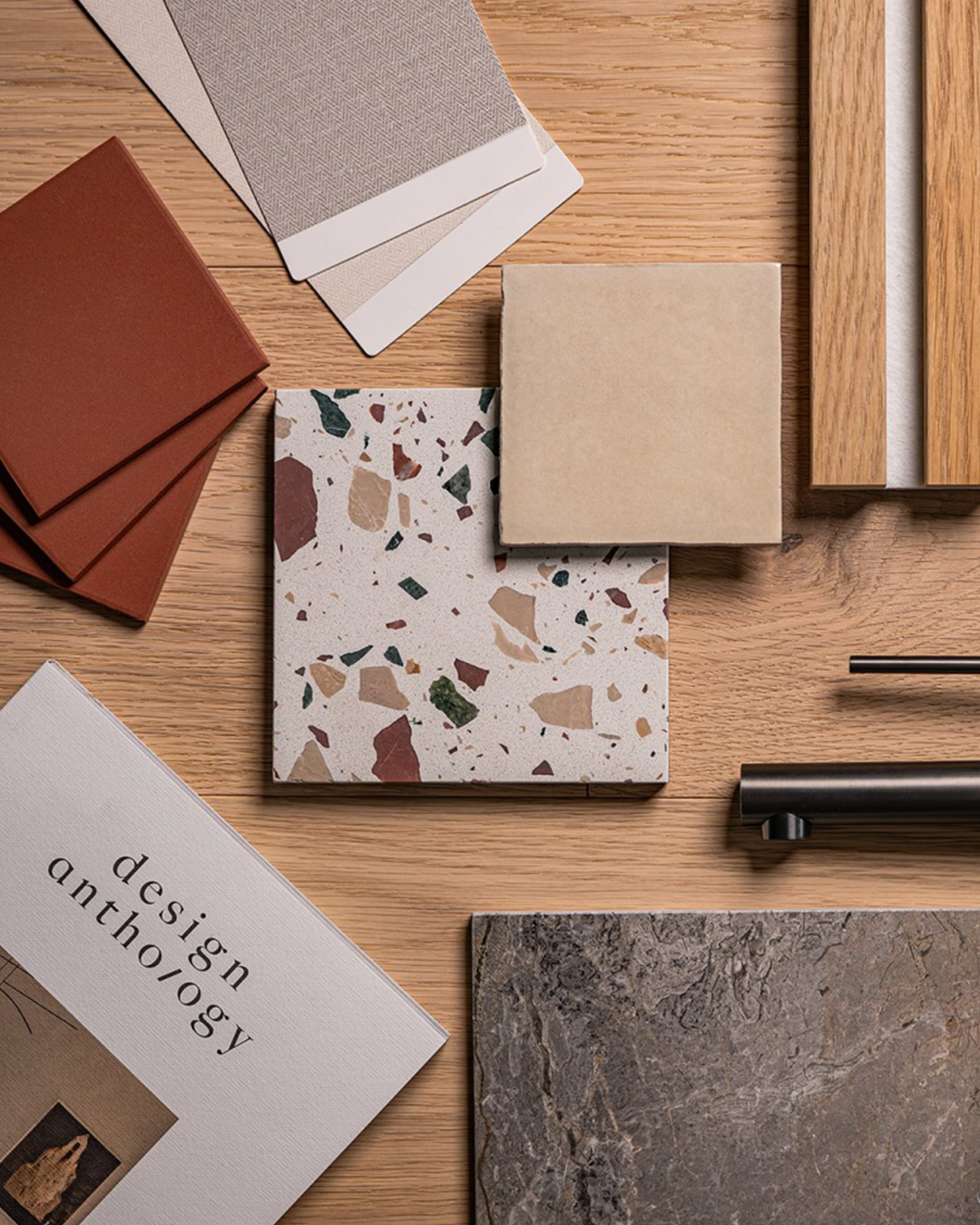
Samples are intended for reference purposes only.


FAQs
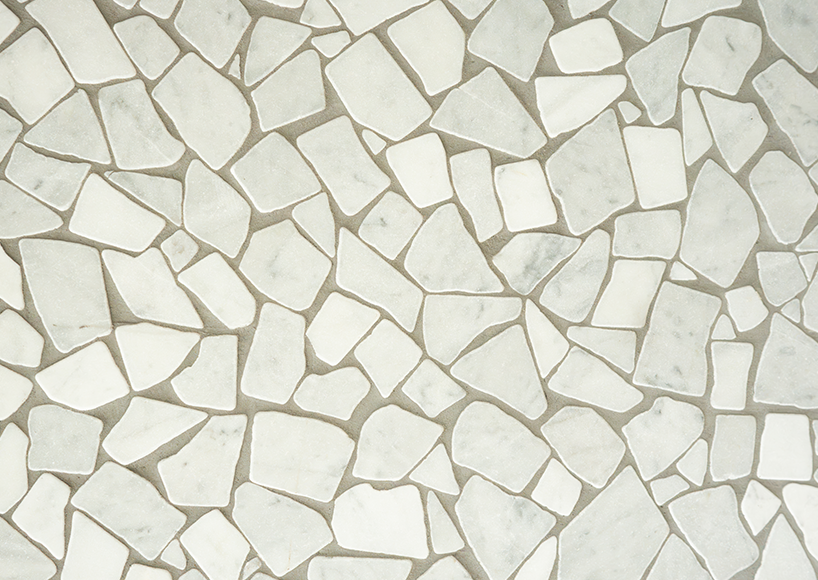
Tile variation refers to the intentional differences in colour, texture, and shade that manufacturers create to give tiles a more natural and authentic look, especially when mimicking materials like natural stone. These variations add depth and character to tiled surfaces, making each installation unique.
To help customers understand the level of variation in a tile collection, manufacturers and distributors use a colour variation guide, which rates tiles on a four-point scale:
V1 (Monochromatic): Minimal to no variation; all tiles look nearly identical.
V2 (Minimal Variation): Slight differences in shade and texture, but have uniform appearance and minimal variation.
V3 (Moderate Variation): Slight to moderate variation in shade, design and texture.
V4 (Considerable Variation): Moderate to significant variation in colour, texture, and pattern between tiles.
V5 (Substantial Variation): Each tile has distinct variations in colour, creating a highly unique and natural appearance. Thus, the final installation will be unique.
Understanding tile variation is essential when selecting tiles to ensure they align with your design vision. If you have any questions, our team is happy to help you choose the perfect tile for your space!
Neither is simply better; they answer different briefs. Porcelain offers low porosity, high durability and easy maintenance, which suits hardworking and commercial floors. Natural stone brings depth, movement, and warmth in exchange for sealing and care over time. We are happy to weigh the two against your specification rather than push one over the other.
They carry the same character, the grain, tone and movement, but in a porcelain body that is harder, denser and far lower maintenance. Natural stone needs periodic sealing and is more prone to staining and wear; stone tiles in porcelain hold their colour and finish with little more than routine cleaning. For many projects that consistency, both in appearance and in supply, is the deciding factor.